

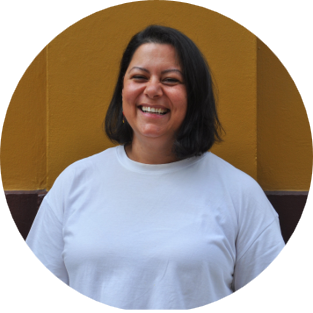
Kaley Nicholson, Co-Chair, Ngaweeyan Maar-oo
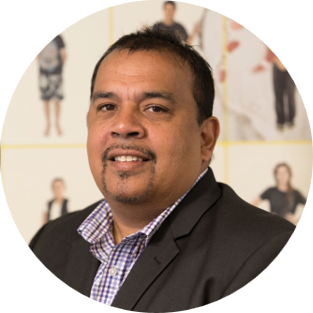
James Atkinson, Co-Chair, Ngaweeyan Maar-oo
As Co-Chairs of Ngaweeyan Maar-oo, we are proud to present Barring yana-ngali gadhaba, a vital step towards closing the gap and uplifting Aboriginal communities across Victoria. Our focus is on partnership, not just delivery. This work is grounded in the National Agreement on Closing the Gap and its four Priority Reforms: shared decision-making, a strong and sustainable Aboriginal community-controlled organisation (ACCO) sector, transforming government organisations, and shared access to data and accountability. In Victoria, this is guided by the Victorian Aboriginal Affairs Framework and strengthened by the State's commitments to Treaty and truth-telling.
Guided by Treaty and truth-telling, our efforts lay the foundation for a self-determined future. Together, these initiatives aim to shift from simple consultation to shared decision-making in governance, commissioning, data management, and accountability. The service system must also be designed to be culturally safe. This work is also being developed in partnership with the First Peoples' Assembly of Victoria and follows the guidance of the Yoorrook Justice Commission.
Our starting point is clear. Aboriginal communities hold the knowledge and solutions for what works best. When Aboriginal organisations lead design, delivery, and evaluation, outcomes improve, and the benefits are felt across families, Country, and culture. This Implementation Plan reaffirms our commitment to embrace proven strategies and transform ineffective systems.
We recognise that progress has been uneven. Too many outcomes remain off track, and the pace of change is not yet matching the ambition set by communities. That is why Barring yana-ngali gadhaba puts Priority Reforms at the centre. For Ngaweeyan Maar-oo, partnership means actively sharing power and accountability. It involves who makes decisions, how money is shared, how information is exchanged, and whether services are safe and respectful for everyone involved.
We align our approach with the United Nations Declaration on the Rights of Indigenous Peoples (UNDRIP). UNDRIP affirms rights to self-determination, participation in decision-making, and control over data and knowledge. This means designing policies with communities, not for them, and ensuring that information and evidence are available to communities so they can set priorities and assess progress.
Across the life of this Plan, we will work with government and partners to deliver practical shifts that communities have called for:
- Multi-year, flexible investment that grows and sustains the ACCO sector, ensuring responsibility is matched with resources.
- Commissioning and procurement settings that preference ACCO leadership and embed cultural safety across mainstream services.
- Mechanisms for local agreements and place-based priorities to shape investment and delivery so that communities can see and feel the change in their area.
- A shared data and accountability system that includes community-held knowledge and aligns with data sovereignty and Treaty principles.
- A culturally safe workforce, with pathways for Aboriginal staff and accountability for respectful, trauma-aware practice in every service.
We will report openly on progress, learn from what does not work, and adapt quickly. The measures that matter are those defined with community, and the test of success is whether people experience better outcomes in their daily lives—children safe and thriving, families strong, languages and cultures flourishing, access to quality education, employment, housing and health care, and fairer justice outcomes.
Barring yana-ngali gadhaba reflects a shared commitment between the Victorian Government, the ACCO sector, and Community leaders. We invite all levels of government and the service system to join us in transforming our practices together. We ask that every action in this Implementation Plan be implemented with communities at the table, that investment follows evidence and need, and that accountability is public and clear.
Ngaweeyan Maar-oo will use Barring yana-ngali gadhaba to progress practical steps that make the system Treaty-ready, including building capability across agencies, aligning accountability and reporting with Treaty principles, and ensuring communities see tangible benefits now while longer-term arrangements continue to be negotiated and implemented.
Collectively, we share the responsibility to close the gap and create a brighter future for our communities. Ngaweeyan Maar-oo will continue to play our role as an Implementation Partner, holding ourselves to the same standards we seek from others. With support from the ACCO sector, our Community leaders, and a real partnership, we believe Victoria can make the changes our people have been asking for.
Kaley Nicholson and James Atkinson
Co-Chairs, Ngaweeyan Maar-oo
Updated