

- Inducted:
- 2026
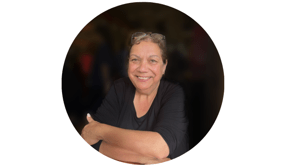
Aunty Daphne Yarram is a proud Noongar and Gija woman, born on the Gnowangerup Mission in south-west WA. Her family relocated to the Puckapunyal Army Base in Victoria in the late 60s.
At 15, she was one of the first Aboriginal and Torres Strait Islander Rotary Exchange Students, completing her senior secondary education in Canada.
Since 1978, Aunty Daphne Yarram has been based on GunaiKurnai Country. With her husband Michael and 3 children, Aunty Daphne has spent over 4 decades championing the safety and wellbeing of individuals, families and First Nations communities. With a focus on justice, healing and self-determined practices, her leadership is grounded in culture and guided by compassion and strength.
Aunty Daphne has held prominent roles in Aboriginal health, housing, justice, education and family violence prevention. Her governance contributions also span national, state, regional and local roles. She has been instrumental in establishing organisations across Victoria, ensuring they are self-determined and community-led.
Her life is guided by culture, connection, and a clear commitment to action. As a wife, mother of 3, and mentor to many, Aunty Daphne continues to lift the aspirations of those around her and beyond. She is a strong and consistent advocate for women’s voices in First Nations policy, using her voice to create space for others to be heard.
Aunty Daphne’s leadership began with her deep connection to family and community and a passion to advocate and amplify First Nations voices. She was elected at a federal level to the Aboriginal and Torres Strait Islander Commission (ATSIC) in 1990, representing her region for 3 terms.
Aunty Daphne was a director for the National Congress of Australia’s First Peoples, elected for 3 terms. Aunty Daphne inspires through her unwavering passion for community- led approaches. Following her father’s vision for an independent community organisation in Gippsland, Aunty Daphne and her mother established Ramahyuck District Aboriginal Corporation in 1992. Ramahyuck was created to ensure that Aboriginal people could identify and lead their own services, focused on health, employment and family support systems.
As a respected and accomplished CEO, Aunty Daphne led the development and establishment of the Yoowinna Wurnalung Aboriginal Healing Service. Through this work, she created a culturally safe and supportive space for Aboriginal women, men, children, and families impacted by family violence and trauma. Grounded in traditional knowledge, culture, and connection to Country, the service recognises that healing is not only about addressing harm, but restoring identity, strengthening belonging, and reclaiming strength.
Yoowinna Wurnalung has empowered many to rediscover their resilience, build confidence, and make informed choices about their safety and wellbeing. It supports individuals to confront and heal from trauma while restoring hope. Her work demonstrates that when services are community-led and grounded in culture, true healing can occur and identity, strength, and belonging can flourish.
Aunty Daphne has driven powerful change through her leadership in policy and systems reform. Working across Aboriginal health, education, social services, and justice, she has partnered with community organisations and government to challenge discriminatory practices and transform systems. Her advocacy has championed strength-based approaches, replacing punitive responses with ones grounded in dignity, data integrity, and community truth, ensuring policies better reflect and respond to the realities of Aboriginal communities across Victoria.
As Chair of Aboriginal Housing Victoria, she helped secure more than $30 million to improve housing outcomes for First Nations families, ensuring homes are not only safe, but also culturally appropriate and supportive of wellbeing. She also led the Victorian Indigenous Family Violence Task Force, uniting Aboriginal leaders, ACCOs, and communities across the state to speak openly about the impacts of violence. Through this work, she helped reshape understanding of family violence as a consequence of colonial and intergenerational trauma. The task force delivered lasting reform, including new support roles, stronger community-led programs, and more responsive and accountable government systems.
Aunty Daphne Yarram’s legacy is one of care, strength, and leadership. She is known for the way she brings people together, builds trust, and her mentorship that supports others to grow. She leads with humility and sensitivity, always walking with the community. Her work has helped create stronger services, safer communities, and a deeper focus on cultural identity. She has also inspired many others to step into leadership roles. Aunty Daphne’s impact can be seen in the organisations she has helped build, the lives she has supported, and the future she continues to shape. Her story is one of care, dedication and hope in the struggle to build a better future for First Nations people.
Updated